
Turkey Hunting Tips
I wouldn’t say I’m anywhere close to as good of a turkey hunter as someone down south, but I’ve had my fair share of experiences calling them in and being around them. I’ve also been fortunate to guide a handful of clients, with 90% of them filling their tags. As we gear up for the season here in Montana and Colorado, I wanted to share a few tips I’ve learned over the years.
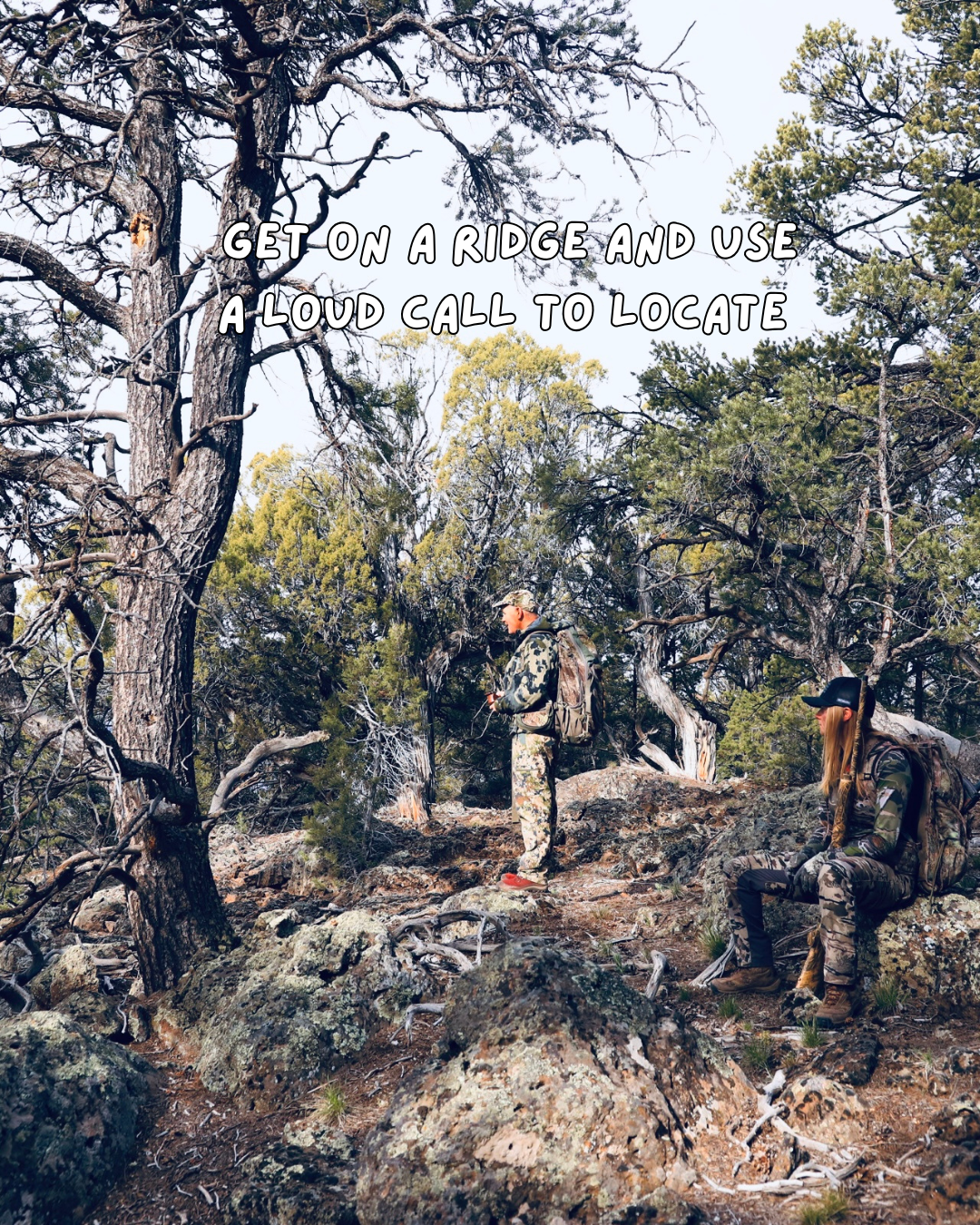
Hunt like you are in the elk rut.
Hunting turkeys during mating season always makes me feel like I’m chasing elk in the lowcountry. Setting up on a ridgeline where you can call — box calls tend to carry louder than mouth reeds — and simply listen is one of the best ways to locate birds. Whether a tom gobbles back or a hen clucks in response, being up high and out of the bottom of a ravine helps you pinpoint their position. The elevation also gives you the advantage of sight, allowing you to read the landscape in front of you and plan the best approach to get in close without being seen.
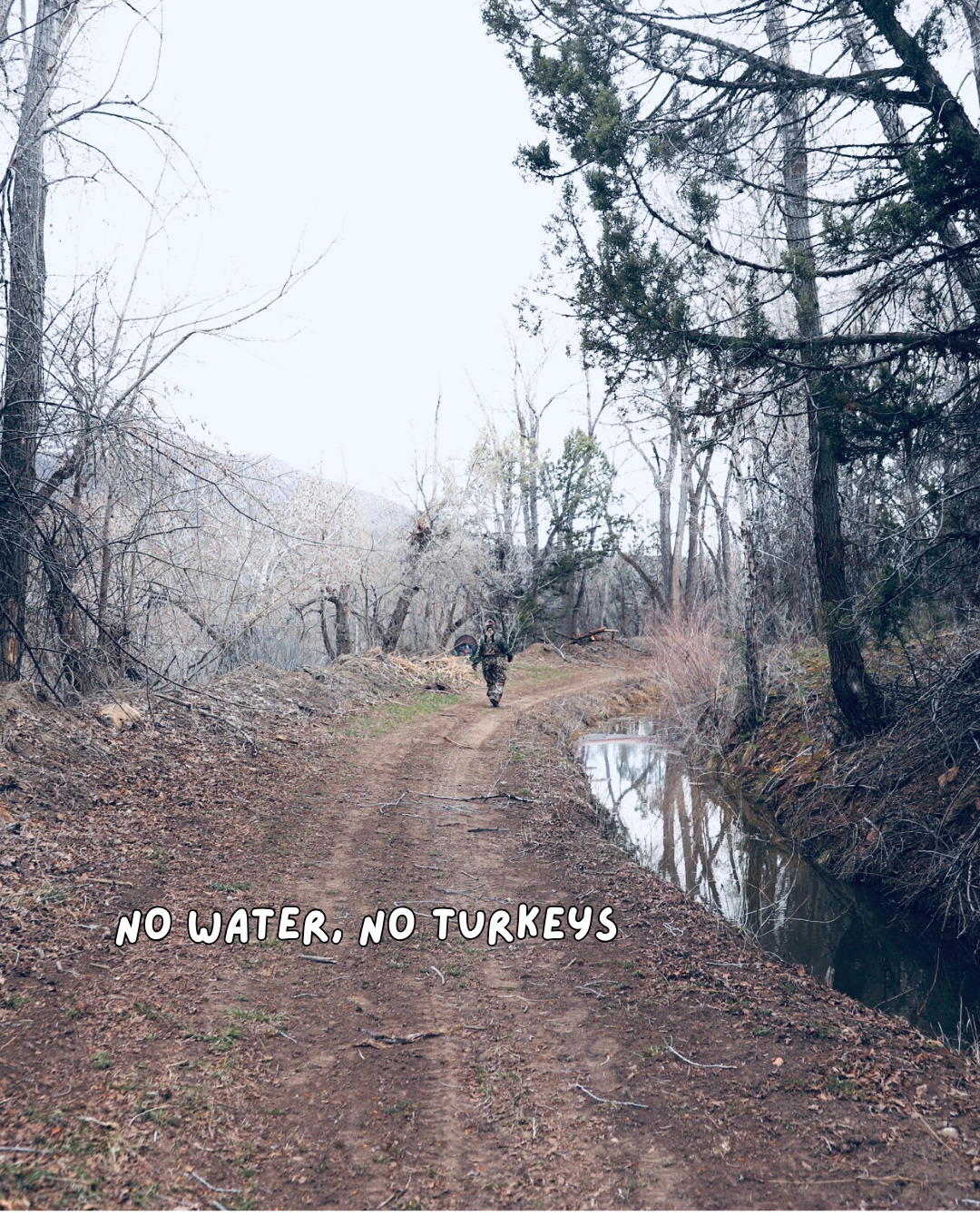
No water, no turkeys. Like elk, it’s very uncommon for turkeys to spend time in an area that doesn’t hold water. You may find a spot that looks perfect on paper, but without a reliable water source, it’s unlikely to hold birds. Water is a key element of turkey habitat, as they drink at a rate of roughly two to two and a half times their daily feed intake.
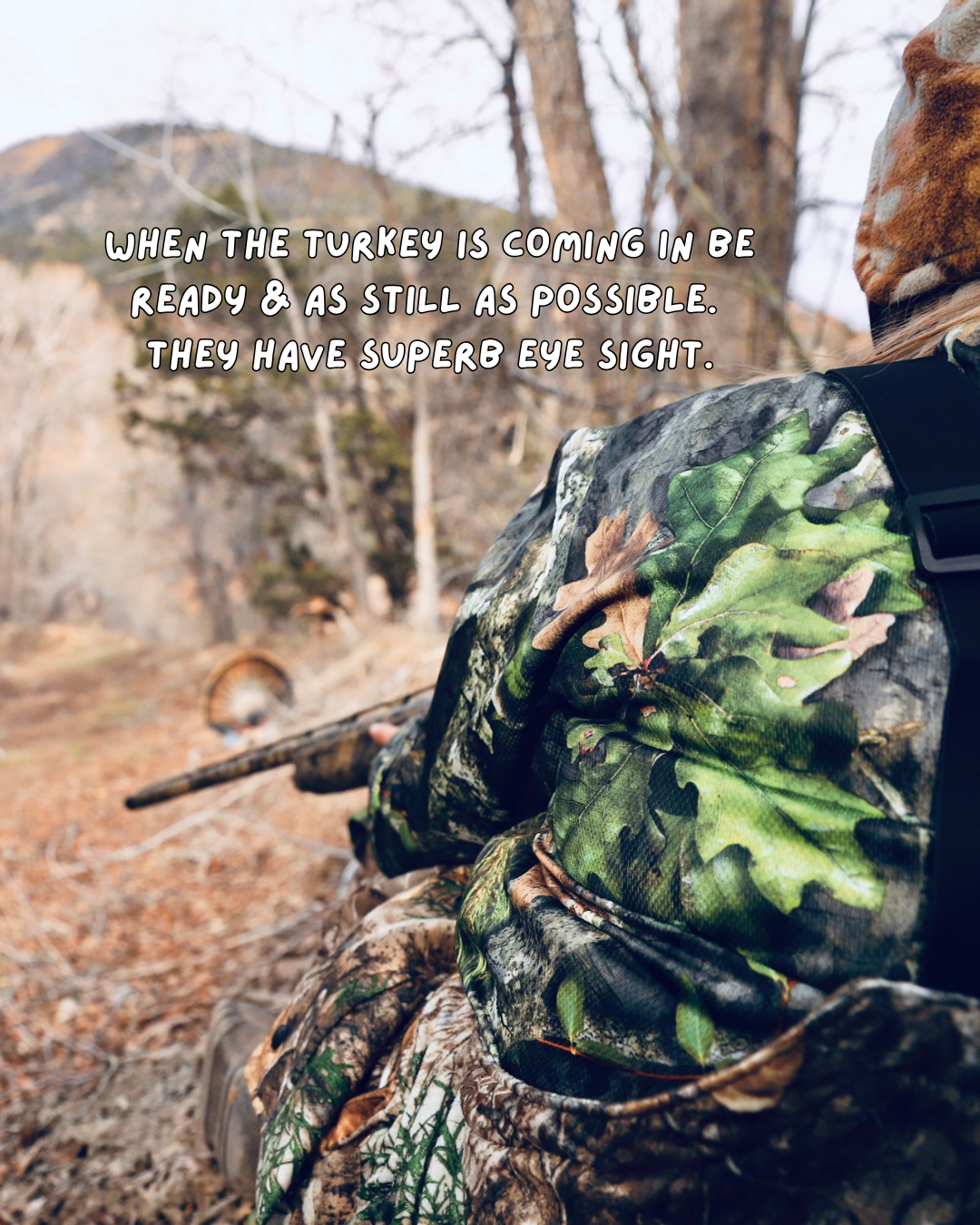
I reference elk often throughout this blog because I believe the tactics of turkey and elk hunting go hand in hand. Like elk, turkeys can pinpoint exactly where a call is coming from the moment they hear it. When you’re getting set up, be ready as quickly as possible so you’re not fumbling with your gun or shifting your knees into position when they come in. Any extra movement can cause a turkey to bust you — and remember, they’re operating at ground level. Get settled, get comfortable, and have your gun in position so when they come strutting or running in, you’re ready.
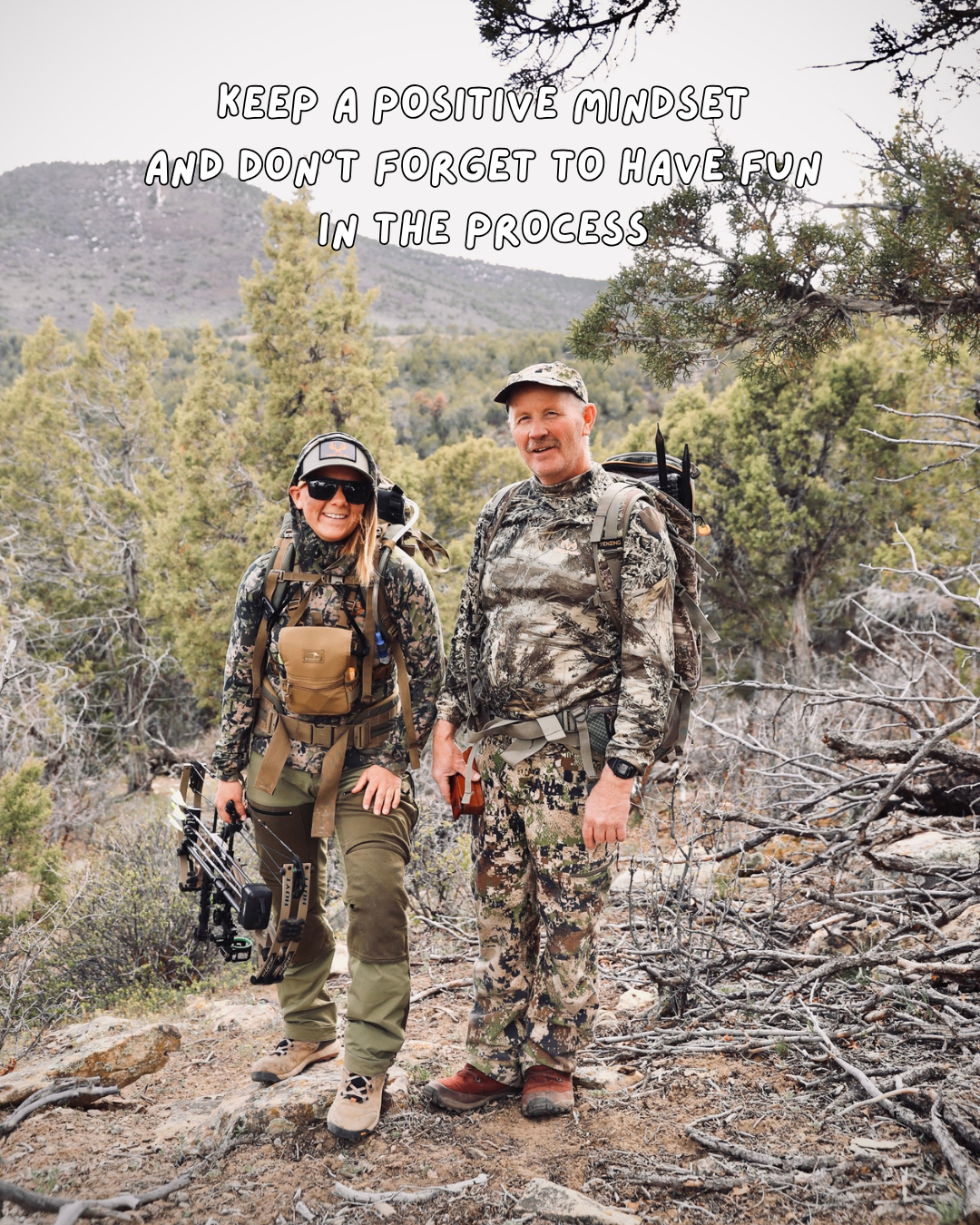
I’ve always loved hunting with my dad because I know there will be a fair share of giggles along the way. When I was younger, I would get discouraged and frustrated if we didn’t head home with a filled tag. My dad used to tell me, “You’re too optimistic.” While that may have been true, I also believe optimism can go a long way on a hunt. Leaving your expectations at the truck and stepping into the woods with the mindset that you’re simply there to be present — to learn and experience the hunt for all that it is — can make your time out there more memorable and, ultimately, more successful.
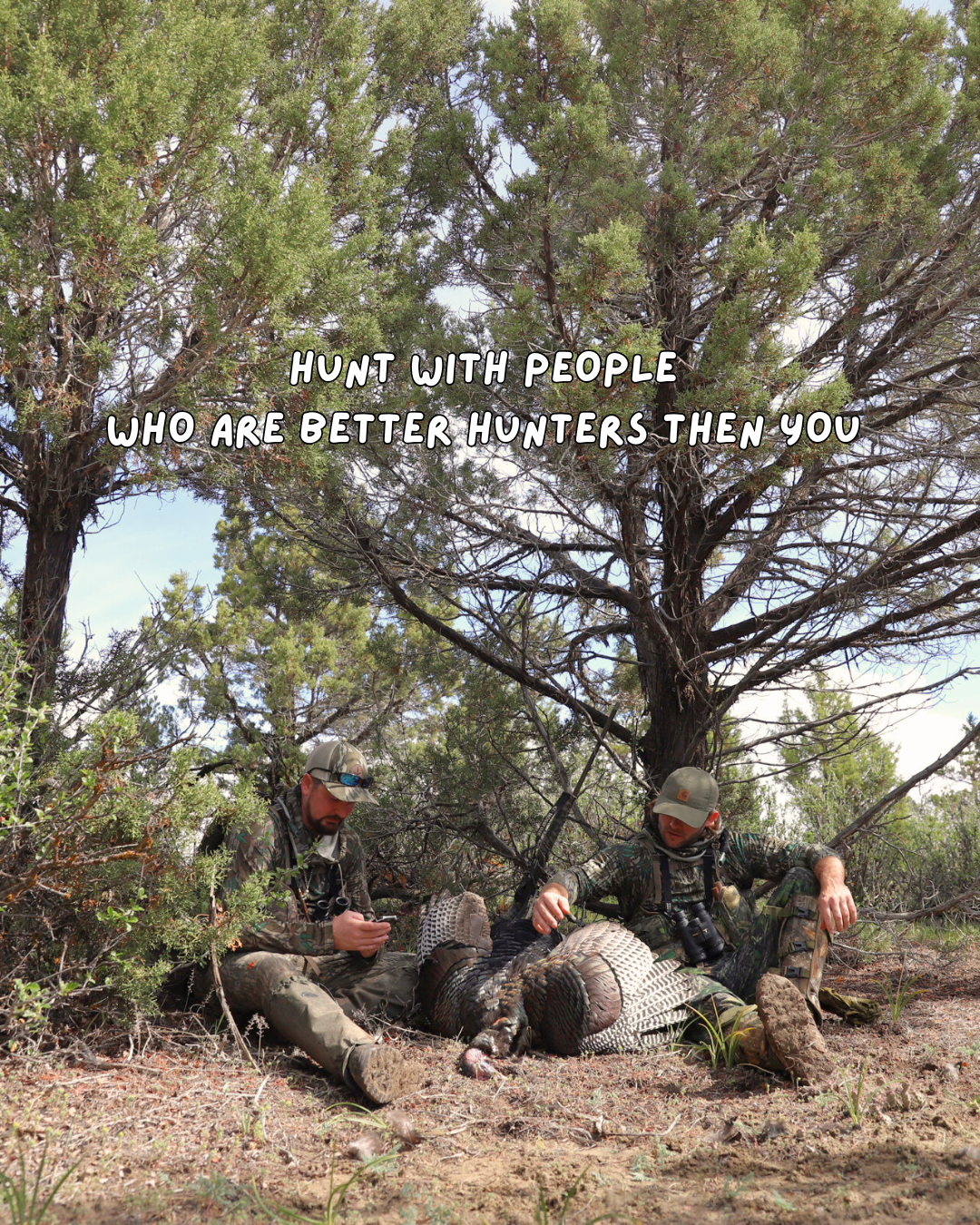
As a guide and lifelong hunter, I take every opportunity I can to hunt alongside people who are more skilled than I am. There’s always something new to learn.
Back in 2020, Carson and Chase made the trek from Mississippi to Colorado in hopes of filling their Merriam’s turkey tags. I told them I had a secret honey hole I wanted to show them. The hike in was a quick reminder that we were at elevation — their breathing grew heavy, sweat poured down their faces, and it was a humbling start to the day’s hunt. Still, their attitudes never wavered. They were excited for what waited at the top.
As soon as we reached the ridge, we eased to the edge and let out a few soft hen clucks. I told the guys I was there simply to observe and let them take the lead. Within thirty minutes, we had a big ol’ tom on the ground. After the first gobble echoed back, they moved quickly but quietly into position, using the thick cover to set up against a tree. A few subtle clucks were all it took. The tom came in on a string to just 15 yards.
That night, we sat around the fire eating turkey nuggets, replaying every moment, and swapping stories from the day — the kind of memories that last far longer than a filled tag.
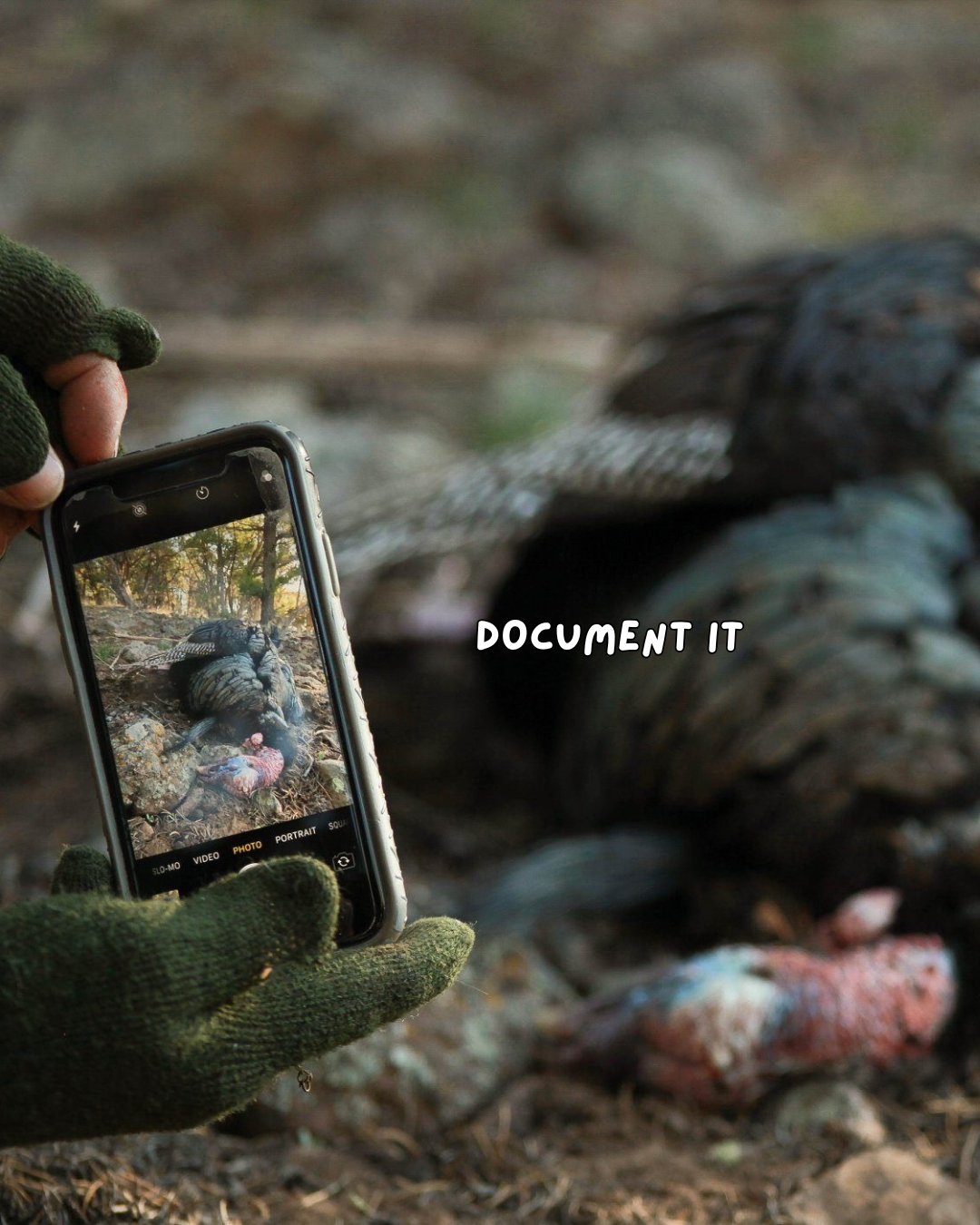
Memories fade. Document the hunt.
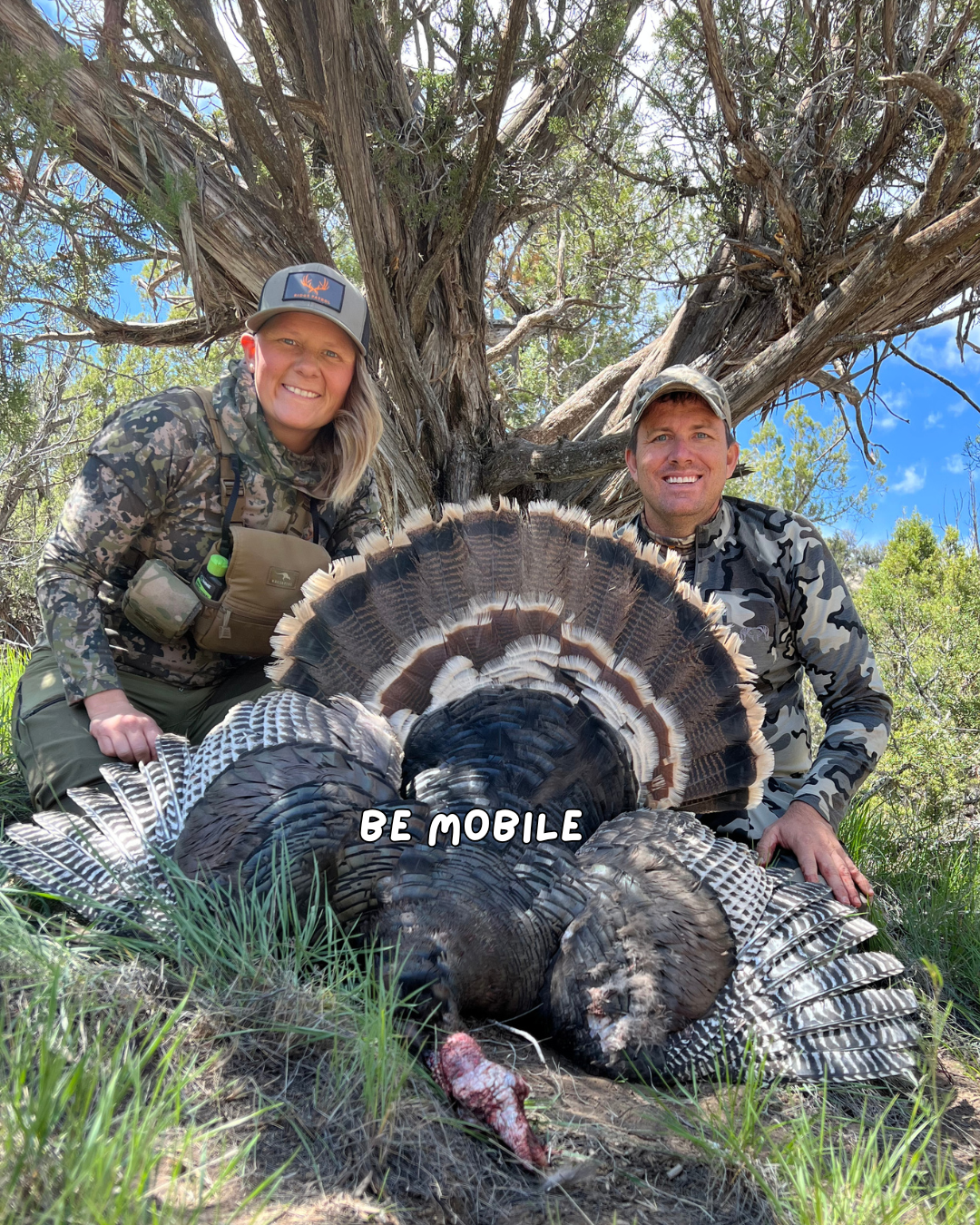
Being mobile can mean the difference between getting in close for an opportunity on a tom and listening to him run over the ridge into the next meadow. In the western states, mobility feels less like an option and more like a requirement. Unlike much of the South, where you can sit in a blind and call birds into a set up, mountain turkeys move differently. You have to be ready to adjust — and sometimes be aggressive. I can’t count how many times I’ve had to pick up my spread of decoys and relocate because the birds simply shifted positions.
The tom in the photo to the left did exactly what I’m describing. He had hens with him, and another tom in the flock, so he had no reason to leave them and come to us. Once again — much like working a bull during the rut — we had to slip inside his bubble to create enough tension to pull him into range.
Big Game Applications open March 1st in Montana and Colorado. As you start preparing for your hunt, do you feel confident in your skills and overall readiness?
My Big Game Consulting program offers a fully customized experience—focused specifically on the skills and topics you want to strengthen—to help you become a more confident, capable, and successful hunter.
Whether you’re learning the foundations of elk habitat and hunt strategy, dialing in navigation and Backcountry 101, or you draw a Montana tag and don’t have time to scout—I’ve got you covered.
If this sounds like what you need, click the link below to learn more and secure your spot.